
When ‘Human Flourishing’ Means Closed Clinics
The latest expansion of the global gag rule stretches across nearly all U.S. foreign aid — and women and girls may pay the price.

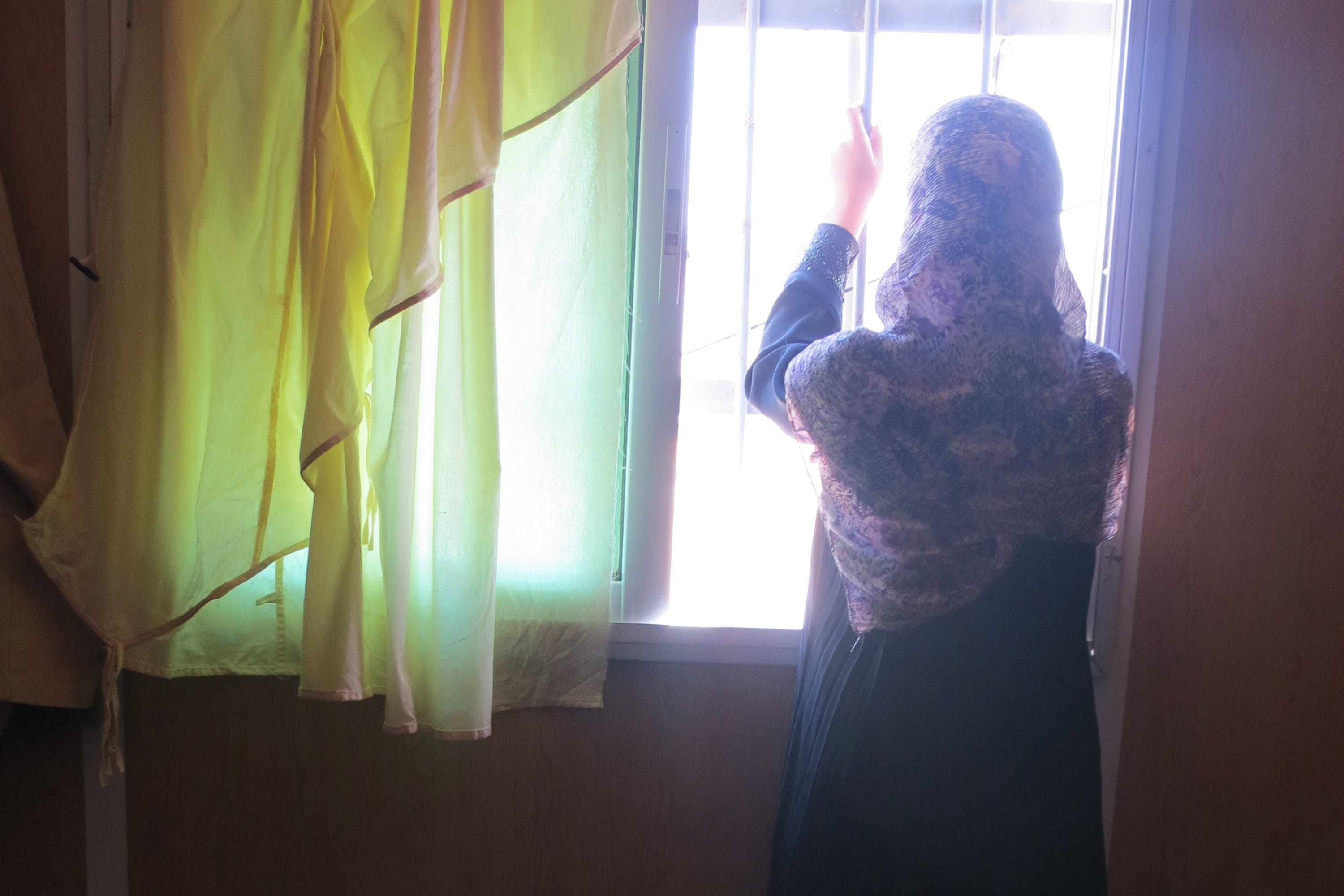
There’s a phrase in a new post from the Women’s Refugee Commission that I can’t stop thinking about: “human flourishing.”
The newly announced “Protecting Human Flourishing in Foreign Assistance” rule expands something known as the global gag rule. That older policy, formally called the Mexico City Policy, blocks U.S. global health funding to any foreign organization that provides abortion, refers patients for abortion or even gives information about it — even if those activities are funded with non-U.S. money. It requires foreign NGOs to certify compliance as a condition of receiving U.S. assistance, effectively regulating speech and services far beyond the direct use of American funds.
As legal analysts at the global law firm Winston & Strawn note, the latest expansion dramatically widens both the scope of funding streams covered and the categories of restricted activity while increasing compliance obligations throughout the aid chain. Previous iterations had applied primarily to global health assistance. This version reaches across nearly all non-military foreign aid and introduces new prohibitions tied not only to abortion services but also to what the administration characterizes as “gender ideology” or diversity, equity and inclusion efforts. Prime recipients must now ensure that sub-recipients certify compliance as well, extending the policy’s reach deep into local partnerships.
“Human flourishing.”
If you work in a clinic in Yemen, if you run a safe space for girls in Ethiopia, if you provide contraception in a refugee settlement in Afghanistan, if you are offering contraception to young Syrian women in a dusty Jordanian refugee camp — a sorry, struggling reality I witnessed in person years ago — you are now told to choose. Sign up and strip a clinic of its ability to care, or refuse and lose funding, not just for one program but potentially for the many services that keep entire clinics functioning.
“Flourish.”
The language is botanical. It suggests sunlight and open air — a kind of moral photosynthesis. But on the ground, “flourishing” looks like a midwife who can’t get paid. A girls’ center that shutters. A local organization forced to sever partnerships to protect a single funding stream. A woman giving birth without a trained attendant because a certification requirement in Washington means there is silence.
This is the strange violence of policy: It advances in paperwork and speaks in abstractions, and insists on its own benevolence. And then, very far from Washington, women and girls absorb the cost.
There is always a rhetorical trick in calling restriction “protection,” in defining care so narrowly that whole categories of people fall outside its perimeter.
Human “flourishing,” apparently, has caveats now.
If flourishing means anything, it should show up in the numbers that make women and girls’ lives better: maternal deaths falling, girls staying in school, clinics growing instead of disappearing. A policy is a claim about how the world works — an assumption stated in legal language. Reality is the fact-checker. When services vanish and harm increases, that isn’t rhetoric, it’s evidence. And evidence has a stubborn habit of outliving slogans — aka “human flourishing.”
Women seem to always absorb the costs of everything. We are in no position to take on the sanctimonious position of pro-life, especially in this country. Once the babies have been born, their protection is finished. Funding for medical care, food, and education are all slashed. And now we send this "flourishing" to the rest of the world.
I wonder how this relates to American payments to Israel. Because of our payments, Israel can "afford" universal healthcare - INCLUDING abortion.