
Transparency Is the New Objectivity
Bias in journalism isn’t the enemy. Pretending it doesn’t exist is.

Journalism is too opaque and misunderstood. Chills gives a behind-the-scenes look at how dangerous investigative journalism gets made.
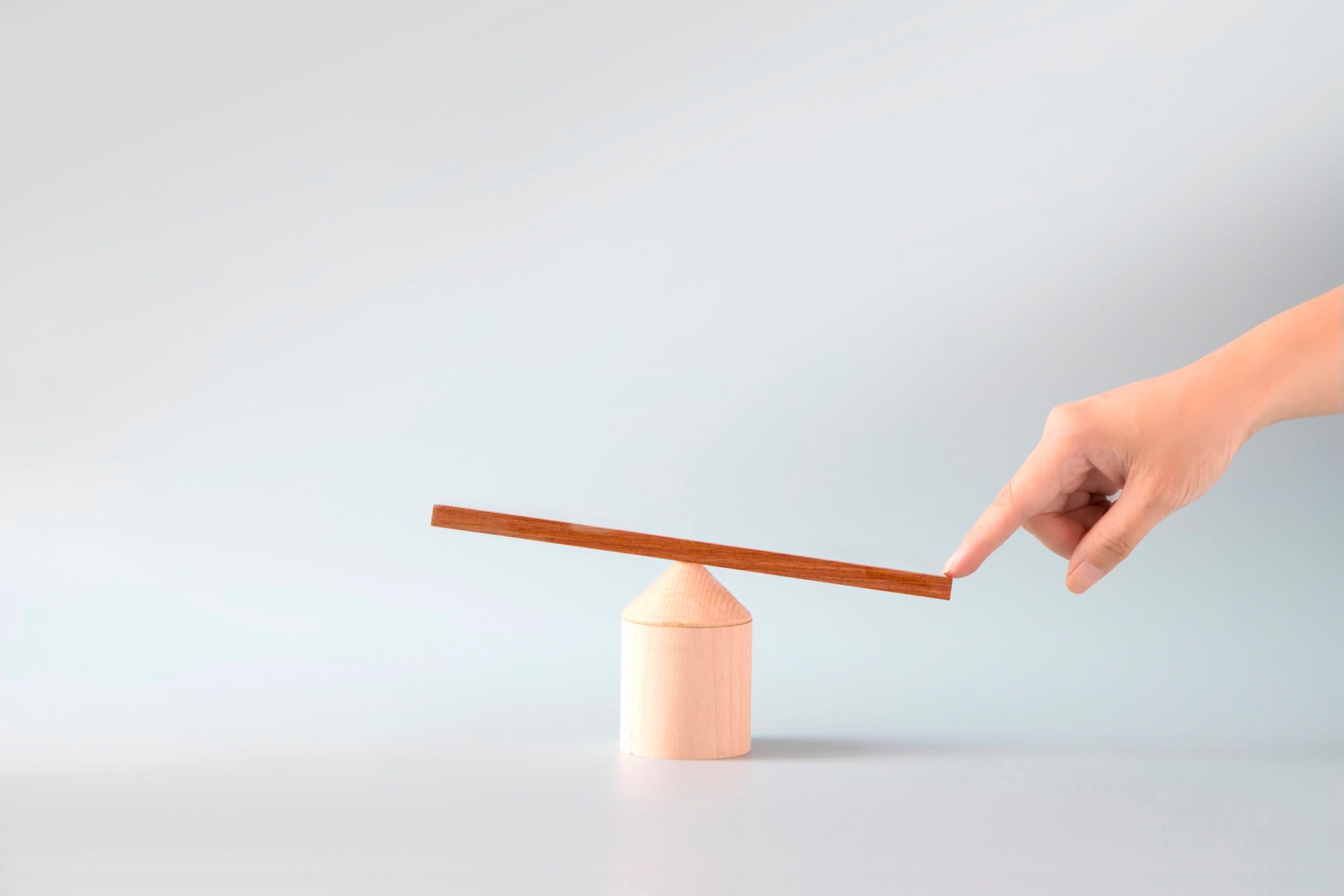
Journalists are not neutral. We never have been. Pretending otherwise doesn’t make reporting trustworthy, it makes it dishonest.
Five years ago, when I wrote this piece, being called “biased” was mostly an insult. Today, it’s a weapon. Politicians, pundits and social media mobs use it to dismiss reporting that challenges them. Meanwhile, audiences are exhausted by the pretense of neutrality. Media institutions still hide behind “objectivity,” and reporters are asked — implicitly or explicitly — to erase their own moral reasoning.
Transparency about perspective doesn’t weaken journalism; it strengthens it.
After I was fired from The New York Times in 2021, people would appear out of nowhere online to yell at me. “Biased piece of crap,” they’d say. “All journalists are crooked. You’re proof no one can believe anything the media reports.” That reaction forced me to confront the messy reality: Bias and objectivity are inseparable, yet constantly misunderstood.
Having a point of view doesn’t mean ignoring facts — it means being upfront about the lens through which you interpret them. Subjective storytelling can draw readers in, add emotional depth, and sometimes even weave your own experience into the narrative. Neutral voice doesn’t erase implicit bias. Our choices — which stories to cover, which sources to interview — are always shaped by perspective. Pretending otherwise is absurd. I’ve always believed it’s better to be transparent about my views, and yes, I often write with an agenda, one meant to create change.
The obsession with “balance” often forces journalists to hide their perspective in the name of neutrality. In doing so, outlets sometimes give lies as much weight as facts, creating dangerous false equivalence. Being transparent about your point of view is not unprofessional, it’s clarity. It allows readers to see the lens through which facts are presented, making journalism more honest and trustworthy, not less.
When I covered sexualized violence in war zones, I used to joke, “What? Am I supposed to not say rape is bad? Should I include the ‘pro-rape’ point of view?” Hyperbole aside, I always speak with alleged perpetrators when necessary — not for “balance,” but to understand truth, to give readers insight into the minds of those committing these crimes. Confronting awful realities is the first step toward addressing them.
Obsessing over “balance” has consequences. During the 2020 U.S. election, some outlets treated false claims as “just another perspective,” giving lies the same space as facts and eroding public trust. Transparency trumps the pretense of neutrality. Acknowledging that journalists have opinions and emotions strengthens credibility rather than undermines it.
Yes, I am biased. But when my work calls for impartiality, I work hard to produce fair, accurate reporting. Being honest about perspective doesn’t weaken journalism — it makes it real. And in a world drowning in misinformation, that honesty is the only thing readers can trust.
Chills is self-funded, without ads. If you want to be a part of this effort, of revealing how difficult reporting is made — of sending me to places like Ukraine to report for you — I hope you will consider subscribing for $50/year or $7/month.
Excellent description of what is an impossible situation, complete neutrality. Everybody’s life experiences color how they see the world. Too bad critical thinking is in such short supply.
This piece really nails somethign most outlets still won't admit: that the chocie isn't between bias and neutrality, but between disclosed perspective and hidden framing. I remember covering a lot of local policy stories where the "both sides" trap ended up giving equal airtime to documented trends versus speculative fear-mongering. Seems like teh core skill now is actually helping readers calibrate what lens they're looking through rather than pretending there's a universal view from nowhere.