
Three Words That Could Change Everything for Shelly Kittleson: ‘Designate as Hostage’

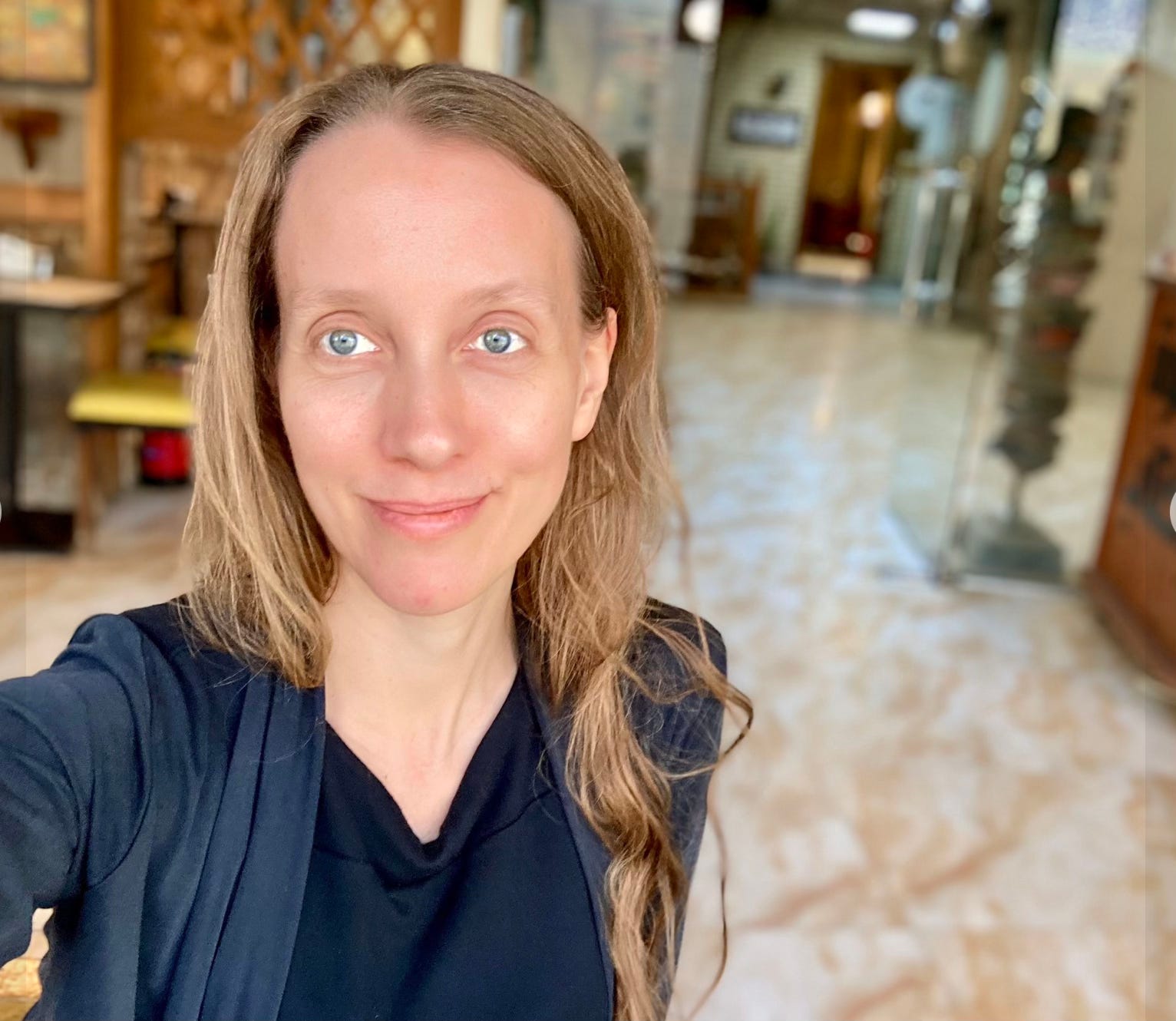
Three of the world’s most influential press freedom organizations just sent a letter to Secretary of State Marco Rubio about my friend, journalist Shelly Kittleson. It contains an ask that may not immediately make sense: “formally designate Kittleson as a hostage.”
It sounds obvious — she was kidnapped in Iraq, so she’s a hostage, right? But inside the machinery of U.S. policy, that designation — more precisely, a determination that a U.S. national is being “wrongfully detained” — triggers a distinct and elevated government response that could mean the difference between life and death.
What ‘hostage designation’ actually means
Advocates often use the phrase “hostage designation,” but the U.S. government’s formal term is “wrongful detention,” a determination made under criteria codified in the Robert Levinson Hostage Recovery and Hostage-Taking Accountability Act.
Once a case meets that threshold, it is elevated to a top interagency priority. Coordination intensifies through the Hostage Recovery Fusion Cell, which brings together officials from the FBI, State Department and from across the intelligence community to focus on recovering the captive.
That doesn’t mean a single switch flips and that every arm of the U.S. government mobilizes instantly. But it does mean the case receives sustained, high-level attention, dedicated coordination and access to additional diplomatic and intelligence resources.
It means dedicated intelligence gathering, intensified diplomatic pressure and potentially the use of covert operations or military force if deemed necessary and appropriate. Families of designated hostages also gain access to additional support services and advocacy. While hostage recovery remains incredibly difficult, the designation ensures the issue receives the highest-level attention and prioritization within the U.S. government.
A system born from tragedy
This system exists because of documented failures in how the U.S. government has handled American hostage cases, particularly during the 2012-2014 period when multiple Americans, including journalists James Foley and Steven Sotloff, were kidnapped by ISIS in Syria and eventually executed.
U.S. hostage policy was overhauled in 2015 through executive action, creating new coordination structures and improving how families are supported. Those reforms were later reinforced in law through the Levinson Act.
What we know for certain is that James Foley’s parents, John and Diane, became advocates for policy reform after their son’s death. The James W. Foley Legacy Foundation continues that advocacy work today, stating that their mission means working to advocate for the safety of American journalists and other Americans working abroad, while also supporting the families of Americans kidnapped overseas.
The foundation is one of the three organizations now demanding action on Shelly’s case as a direct line connecting past tragedies to current advocacy efforts.
The Bigger Picture
The Committee to Protect Journalists, Reporters Without Borders and the Foley Foundation aren’t just demanding bureaucratic action. They want the Trump administration to send a message that targeting journalists — American or otherwise — will trigger the full response of the U.S. government.
Iraq accounts for 10 percent of the world’s 91 missing journalists. Shelly’s case, according to CPJ, marks the first abduction of an American journalist abroad since Sotloff’s kidnapping in Syria in 2013.
What happens next
Whether Rubio grants the hostage designation will signal how seriously this administration takes attacks on American journalists. The designation doesn’t guarantee success — hostage recovery is, to say the least, incredibly difficult — but it guarantees that every available tool gets used.
For Kittleson’s family and colleagues, those three words, “designate as hostage,” represent hope that the full weight of American power is working to bring her home.
In a world where journalism itself is under attack, this designation also sends a broader message: Touch an American journalist, and you’re not just dealing with a news organization or press freedom groups. You’re dealing with the United States government — for (better or worse) whatever that means these days.
The even bigger picture is that US can’t stop but destroying Global South countries with impunity for decades if not 250 years. And it’s the ordinary people, including US journalists, who bear the brunt.
Why wouldn't they designate her as a hostage? Praying for a good outcome.